Lab grown vs mined Diamonds

Lab-Grown Diamonds:
What's the Difference?
"They have the same sparkle, the same hardness, the same chemistry — one just took billions of years to form, the other a few weeks in a lab. Neither is fake. The real question is simply which one is right for you."
Lab-grown diamonds have been a hot topic in the jewellery world for a while now, and honestly, there's a lot of confusion out there. Are they real? Are they worth it? Are they just cheap imitations? The short answer is no — they're genuine diamonds in every sense of the word, just made differently.
We think the best decision is an informed one. So whether you're already leaning towards lab-grown or you've always imagined a stone straight from the earth, here's everything you need to know.
01 / What They Are So, What Actually Is a Lab-Grown Diamond?
A lab-grown diamond is chemically and physically identical to a mined one. Same carbon structure, same hardness, same brilliance. The only difference is where it came from — a controlled lab environment rather than deep underground over billions of years.
There are two ways they're made:
High Pressure, High Temperature (HPHT) — This recreates the conditions found deep inside the earth. A tiny diamond seed is placed with carbon under extreme heat (over 1,400°C) and enormous pressure. The carbon melts around the seed and crystallises into a diamond.
Chemical Vapour Deposition (CVD) — A diamond seed sits inside a sealed chamber filled with carbon-rich gas. The gas is turned into plasma, and carbon atoms slowly build up on the seed layer by layer. This method is increasingly popular for producing larger, high-quality stones.
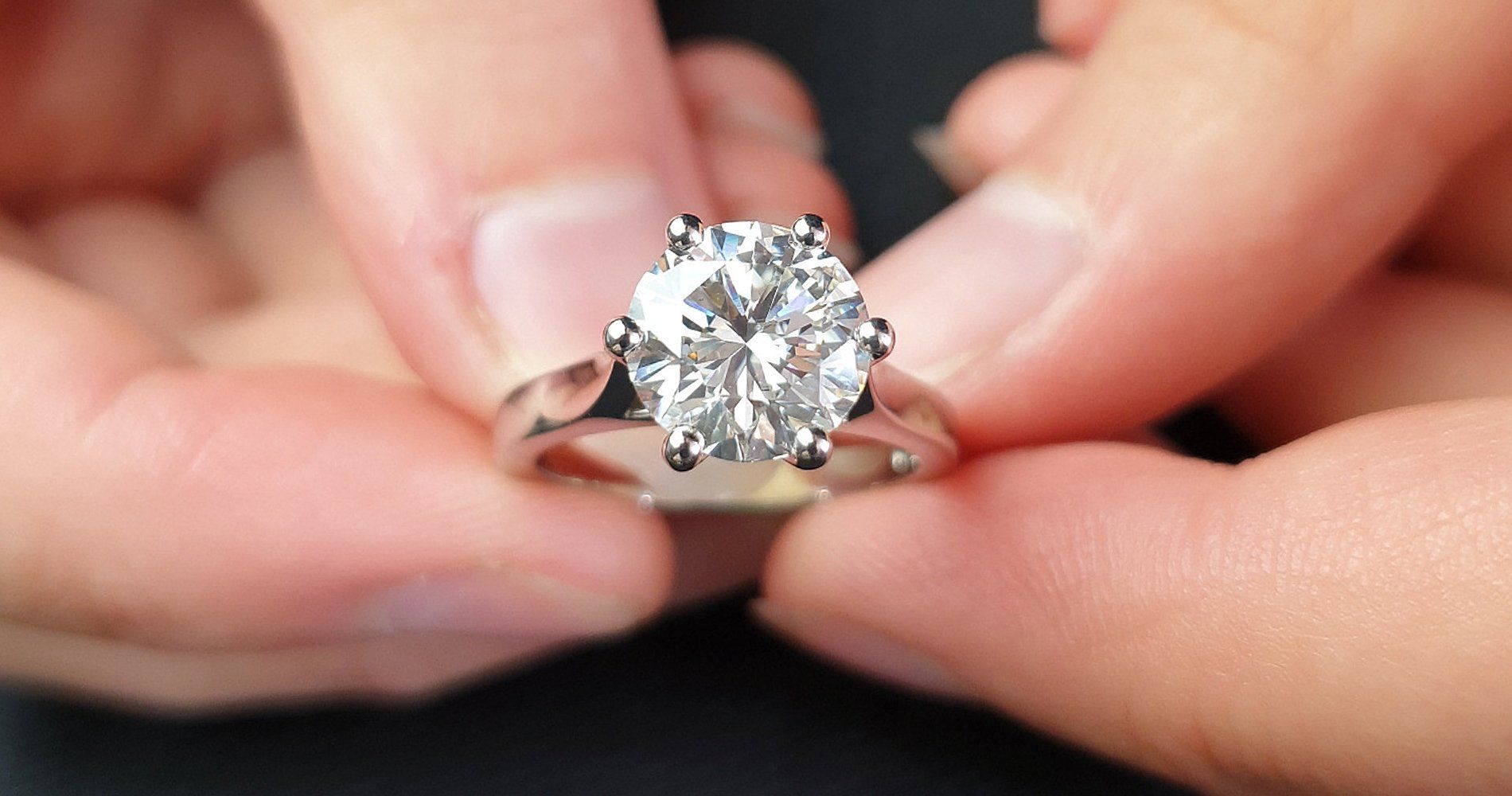
A trained gemologist cannot tell a lab-grown diamond from a mined one just by looking at it. Only specialist equipment can spot the difference.
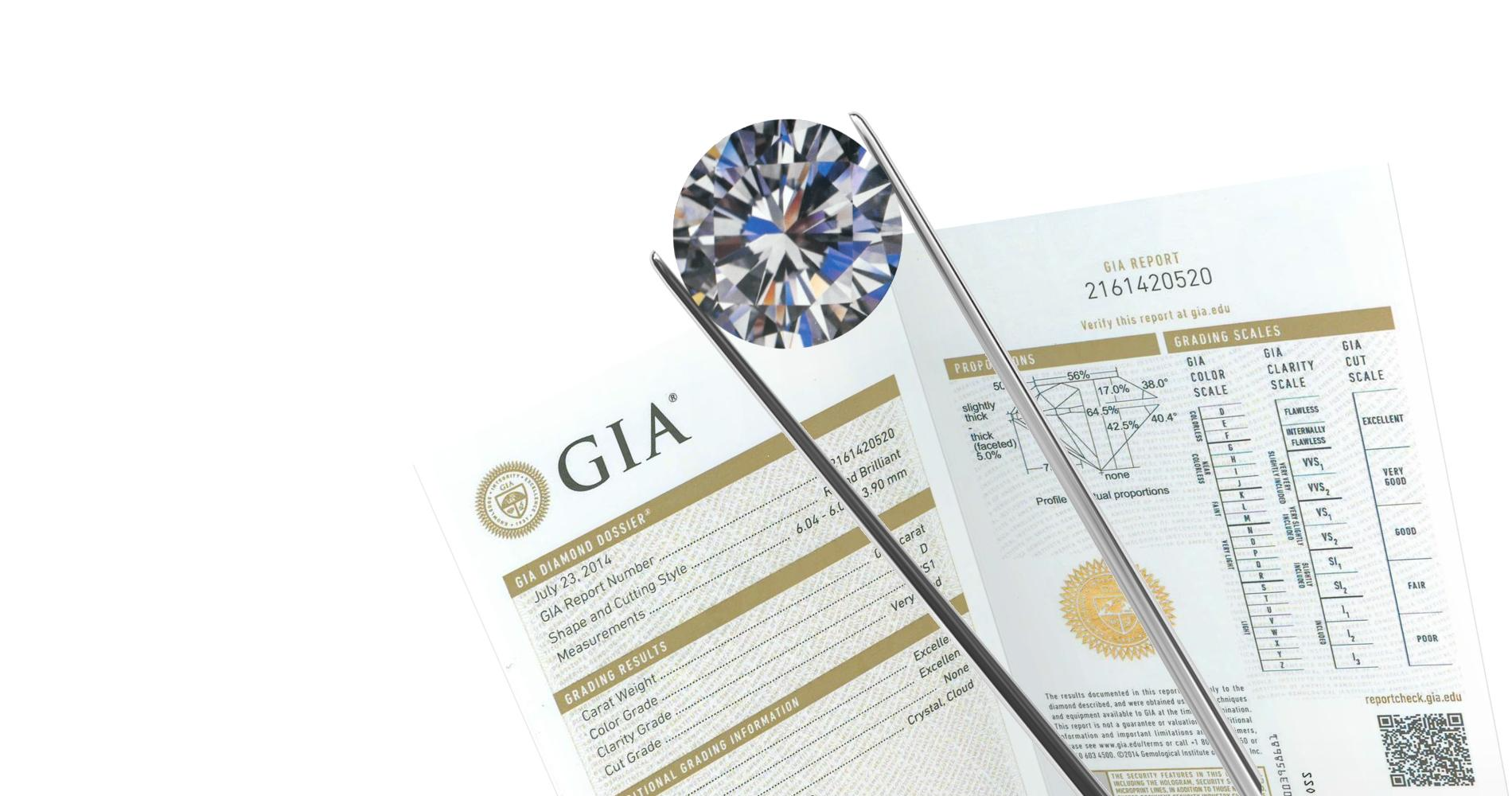
The GIA (the world's leading gem-grading body) grades lab-grown diamonds exactly the same way as mined ones — cut, colour, clarity, and carat. A lab-grown D-colour stone with an excellent cut is every bit as stunning as its mined equivalent.
02 / The Case For Why People Love Lab-Grown Diamonds
Reasons to Choose Lab-Grown
- Much lower price for the same visual quality
- Identical hardness, sparkle, and fire to mined diamonds
- No mining — far less land disruption
- Fully traceable — you know exactly where it came from
- No risk of conflict diamond provenance
- You can often get a bigger stone for the same budget
- Widely available and increasingly popular
Things Worth Knowing
- Little to no resale value — prices have dropped sharply
- Lacks the romance of geological rarity
- The manufacturing process uses a lot of energy
- Some traditionalists still see them as lesser
- Long-term market value is hard to predict
- Buying mined diamonds supports mining communities
- For some people, the sentimental weight just feels different
Price. This is often the biggest draw. Lab-grown diamonds typically cost around 70–80% less than comparable mined stones. That's a significant difference — and it means many of our customers can go for a noticeably larger or higher-quality stone without stretching the budget.
Ethics and traceability. The natural diamond industry has come a long way since the Kimberley Process was introduced in 2003, but questions around supply chain transparency haven't gone away entirely. With lab-grown stones, the origin is clear, documented, and straightforward.
Environmental considerations. This one's more nuanced than it might seem (more on that below), but lab-grown diamonds don't require large-scale land excavation, which is a meaningful difference for many buyers.
03 / The Case Against The Drawbacks Worth Knowing About
Resale value — or the lack of it. This is the most important practical difference. Mined diamonds hold some resale value over time. Lab-grown diamonds, on the other hand, have seen prices drop dramatically as production has scaled up. What cost thousands to produce a few years ago costs a fraction of that today. If you ever wanted to sell or part-exchange, you might not get much back.
The energy question. Lab-grown diamonds need a huge amount of electricity to produce — CVD reactors and HPHT presses run continuously at extreme temperatures. Unless the producer is using renewable energy, the carbon footprint can actually rival some responsible mining operations. It's worth asking where the energy comes from.
Rarity is part of what gives a mined diamond its meaning. The idea that something took over a billion years to form, travelling from deep within the earth to your finger — there's a weight to that which is hard to replicate.
Sentiment and symbolism. This is entirely personal, but it matters to a lot of people. Many choose a diamond for an engagement ring not just for how it looks, but for what it represents — permanence, rarity, something extraordinary. For some, a stone grown in a lab over a few weeks doesn't quite carry that same feeling. For others, knowing their stone caused no environmental harm is exactly the kind of meaning they want. Neither view is wrong.
The impact on mining communities. Natural diamond mining supports hundreds of thousands of people across southern Africa and beyond. Countries like Botswana, Namibia, and South Africa have built significant parts of their economies around the diamond trade. Choosing a responsibly sourced mined diamond does make a difference to those communities.
At a Glance: Lab-Grown vs. Mined
A quick side-by-side comparison
Lab-Grown Diamond
Grown in weeks · Certified · Identical composition
Mined Diamond
Billions of years in the making · Rare · Natural provenance
The Right Diamond Is the One That Feels Right to You
We don't think one is universally better than the other. A lab-grown diamond gives you the same beauty at a much more accessible price, with complete peace of mind about where it came from. A mined diamond brings geological rarity, deep symbolism, and a stronger resale market.
What matters most is that your choice reflects what's important to you — and that you wear it with total confidence. We carry both, and we're always happy to talk it through with you.
Get in Touch